Windows 12 AI Subscription Features Explained
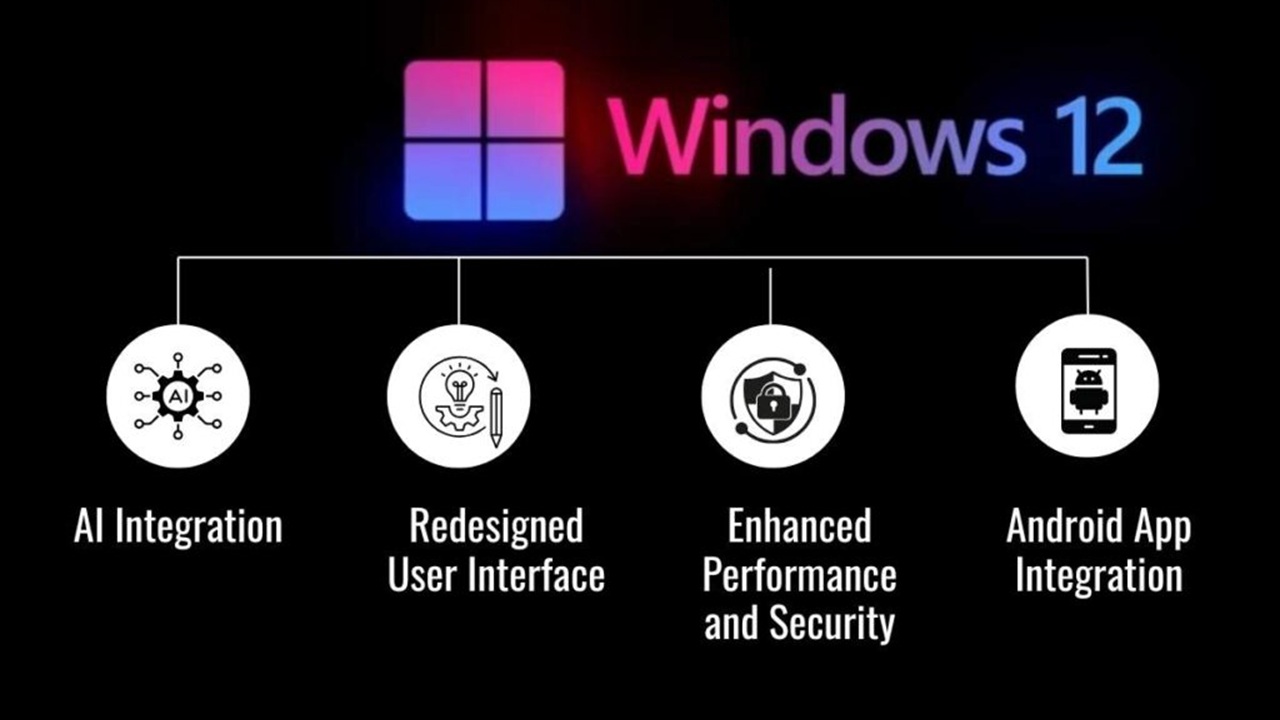
The idea of paying extra for features inside an operating system once felt unusual. Windows was traditionally a one time purchase or came preinstalled on your device. But things have been changing quietly over the past few years. Microsoft has been moving toward a service driven model where updates, cloud tools, and AI powered features are becoming central to the experience. With Windows 12 on the horizon, one question keeps coming up in tech circles and everyday conversations alike. Will users have to pay for premium AI features?
This is not just a rumor floating around. It reflects a broader shift in how software is built, delivered, and monetized. Artificial intelligence is no longer a small add on. It is becoming the core of how we interact with computers. From writing emails to editing photos and even managing files, AI is being placed at the center of the user experience. And that level of intelligence does not come cheap to build or maintain.
Why AI Features Might Not Be Free Anymore
To understand why Microsoft may introduce subscription based AI tools in Windows 12, it helps to look at how AI works behind the scenes. Unlike traditional software features that run locally on your device, many advanced AI tools rely on cloud computing. These systems process massive amounts of data using powerful servers that require ongoing maintenance, energy, and infrastructure.
When you use an AI assistant to generate text, summarize documents, or create images, your request is often processed on remote servers. This means every interaction has a cost for the company providing the service. Offering such features for free at scale becomes difficult, especially when millions of users are involved.
Microsoft has already tested this model with services like Microsoft 365 Copilot. Users who want advanced AI features inside Word, Excel, and Outlook are required to pay a monthly subscription. This gives us a strong hint of what could happen with Windows 12.
The Rise of Copilot in Windows
If you have been using Windows 11, you may have noticed the growing presence of Copilot. It started as a simple assistant but has gradually evolved into something more powerful. It can help you adjust system settings, generate content, and even assist with troubleshooting.
In Windows 12, Copilot is expected to become deeply integrated into the operating system. Instead of being just a sidebar tool, it could act as a central hub that understands your habits, predicts your needs, and automates tasks.
Now imagine two versions of this experience. A basic version that is available to everyone and a premium version that unlocks more advanced capabilities. This is where the idea of a subscription starts to make sense.
What Could Be Included in Premium AI Features
While Microsoft has not officially confirmed the full list of paid AI features for Windows 12, there are strong indications based on current trends and existing products. Here are some possibilities that could be part of a premium tier.
Advanced content generation could be one of the biggest attractions. Users might be able to generate full documents, presentations, or even code directly from prompts. This would be especially useful for professionals and students who rely on productivity tools daily.
Enhanced voice interaction is another area where premium features could shine. Instead of typing commands, users could have natural conversations with their system. The AI could understand context, remember preferences, and provide more personalized responses.
Real time system optimization might also be part of the package. Imagine your computer automatically adjusting performance settings based on what you are doing, whether it is gaming, editing videos, or browsing the web.
AI powered security features could offer smarter protection against threats. This might include advanced phishing detection, behavioral analysis, and automatic response to suspicious activity.
Creative tools are likely to play a major role as well. From image editing to video generation, AI could help users create high quality content without needing specialized software.
The Free vs Paid Experience
One of the key challenges for Microsoft will be balancing the free and paid experiences. If too many features are locked behind a paywall, users may feel frustrated. On the other hand, offering everything for free could make the business model unsustainable.
A likely approach is a tiered system. Basic AI features would remain free and accessible to all users. These might include simple assistance tasks like setting reminders, answering questions, or performing basic system operations.
Premium users would gain access to more powerful tools that require greater computational resources. This creates a clear distinction without taking away the core functionality of the operating system.
It is similar to how many apps work today. You can use them for free with limited features, but you have the option to upgrade if you need more advanced capabilities.
How This Affects Everyday Users
For casual users, the introduction of subscription based AI features may not have a significant impact. Basic tasks like browsing, watching videos, and using standard applications will continue to work as usual.
However, for users who rely on their computers for work, creativity, or learning, the premium features could be very appealing. The ability to automate tasks, generate content, and receive intelligent assistance can save time and improve productivity.
At the same time, there is a concern about affordability. Not everyone is willing or able to pay a monthly fee for additional features. Microsoft will need to carefully consider pricing to ensure it remains accessible.
A Shift Toward Services Rather Than Software
This potential move reflects a larger trend in the tech industry. Companies are shifting from selling products to offering services. Instead of paying once and owning the software, users pay for ongoing access and updates.
This model has both advantages and disadvantages. On the positive side, users receive continuous improvements, new features, and better support. On the downside, it creates a recurring expense that can add up over time.
For Microsoft, this approach provides a steady stream of revenue and allows them to invest more in innovation. For users, it offers a more dynamic and evolving experience.
Privacy and Data Concerns
Whenever AI becomes more integrated into daily use, questions about privacy naturally arise. If Windows 12 relies heavily on cloud based AI, users may wonder what data is being collected and how it is used.
Microsoft has emphasized its commitment to privacy and security, but trust will play a crucial role. Clear communication about data usage and strong privacy controls will be essential.
Users should have the ability to choose what data they share and how AI interacts with their information. Transparency will be key in building confidence.
Will Users Accept Paid AI in Windows 12
This is perhaps the most important question. Will people be willing to pay for AI features in an operating system?
The answer depends on the value those features provide. If the premium tools genuinely make life easier, save time, and enhance productivity, many users will see them as worth the cost.
We have already seen this with other subscription services. People are willing to pay for streaming platforms, cloud storage, and productivity tools when they offer real benefits.
However, if the features feel unnecessary or overpriced, users may resist the change. Microsoft will need to strike the right balance between innovation and affordability.
What This Means for the Future of Windows
The introduction of subscription based AI features could mark a turning point for Windows. It signals a move toward a more intelligent and service oriented platform.
Windows 12 may not just be an operating system but a personalized digital assistant that adapts to your needs. This could change how we think about computing entirely.
At the same time, it raises important questions about ownership, accessibility, and the role of technology in our lives. As users, we will need to decide what we value and how much we are willing to invest in it.
Final Thoughts
The idea of paying for AI features in Windows 12 might feel unfamiliar at first, but it is a natural progression in the evolution of technology. As AI becomes more powerful and integrated, the costs of delivering these capabilities increase.
Microsoft appears to be preparing for this shift by exploring subscription models that offer both free and premium experiences. Whether this approach succeeds will depend on how well it meets the needs of users.
For now, it is clear that Windows 12 Iso Download is shaping up to be more than just an update. It represents a new chapter where artificial intelligence takes center stage and redefines what an operating system can do.
As more details emerge, one thing is certain. The way we interact with our computers is about to change in a big way, and the concept of paying for premium AI could soon become the new normal.

With years of experience in technology and software, John leads our content strategy, ensuring high-quality and informative articles about Windows, system optimization, and software updates.



Post Comment
You must be logged in to post a comment.